Click here to discover the 5 major changes
| Site: | Welcome to the Health Data Academy |
| Cours: | HDA explains: major changes with the EHDS |
| Livre: | Click here to discover the 5 major changes |
| Imprimé par: | Visiteur anonyme |
| Date: | lundi 21 septembre 2026, 13:37 |
Description
The European Health Data Space (EHDS) offers significant benefits for citizens, healthcare providers, and society as a whole. Citizens have easily access to their health data, gain greater control and better digital insight into their own health data and can share it more easily with healthcare providers, even across borders. This improves the continuity and quality of care.
For the healthcare sector, the EHDS ensures better data exchange and interoperability, leading to more efficient processes, fewer duplicated tests, and more personalized care. In addition, the controlled reuse of health data enables high-quality research, innovation, and data-driven health policy, with strong safeguards for privacy and security. In this way, the EHDS contributes to a more modern, accessible, and sustainable healthcare system in Europe.
1. Change 1
Use of a common semantic data standard
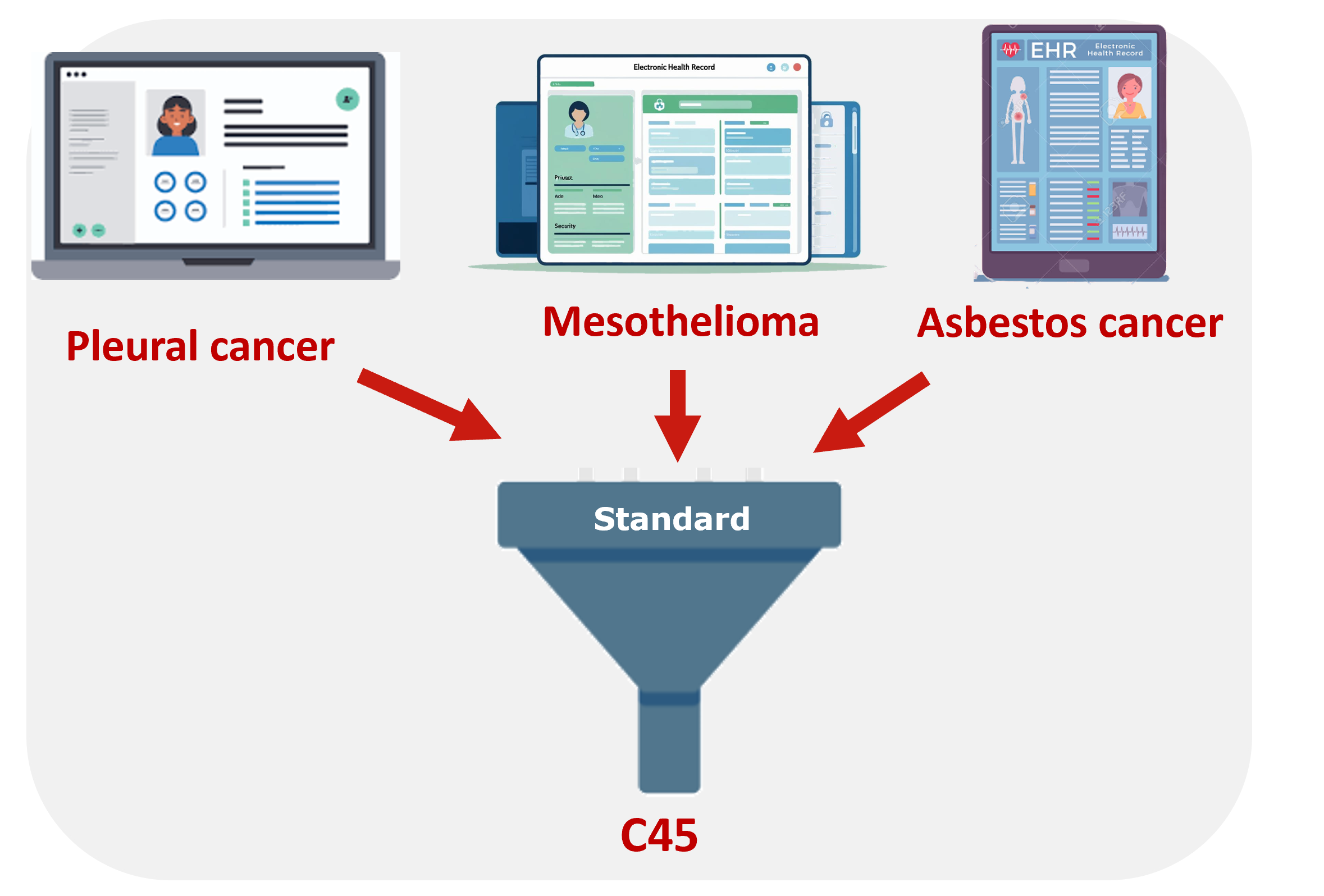
There will be a common semantic data language to link different names for the same medical condition into one single diagnosis code. For instance, one doctor writes "pleural cancer" in the Electronic Health Record (EHR), while another doctor writes "mesothelioma" and even another doctor writes "asbestos cancer". This means 3 different names for the same condition!
Thanks to an universal semantic data standard in the background of the patient’s EHR, the different names are linked to one unique diagnosis code. This semantic standard ensures that the content and meaning of the information remain consistent, so that two doctors understand exactly the same thing when they see a specific code. Therefore, doctors not only speak the same language within the country’s borders, but also beyond them, given that the standard code is universal and language-independent. This means all related data, both within national borders and abroad, is connected and datasets are more accurate and complete. This stimulates the cross-border exchange of health data.
2. Change 2
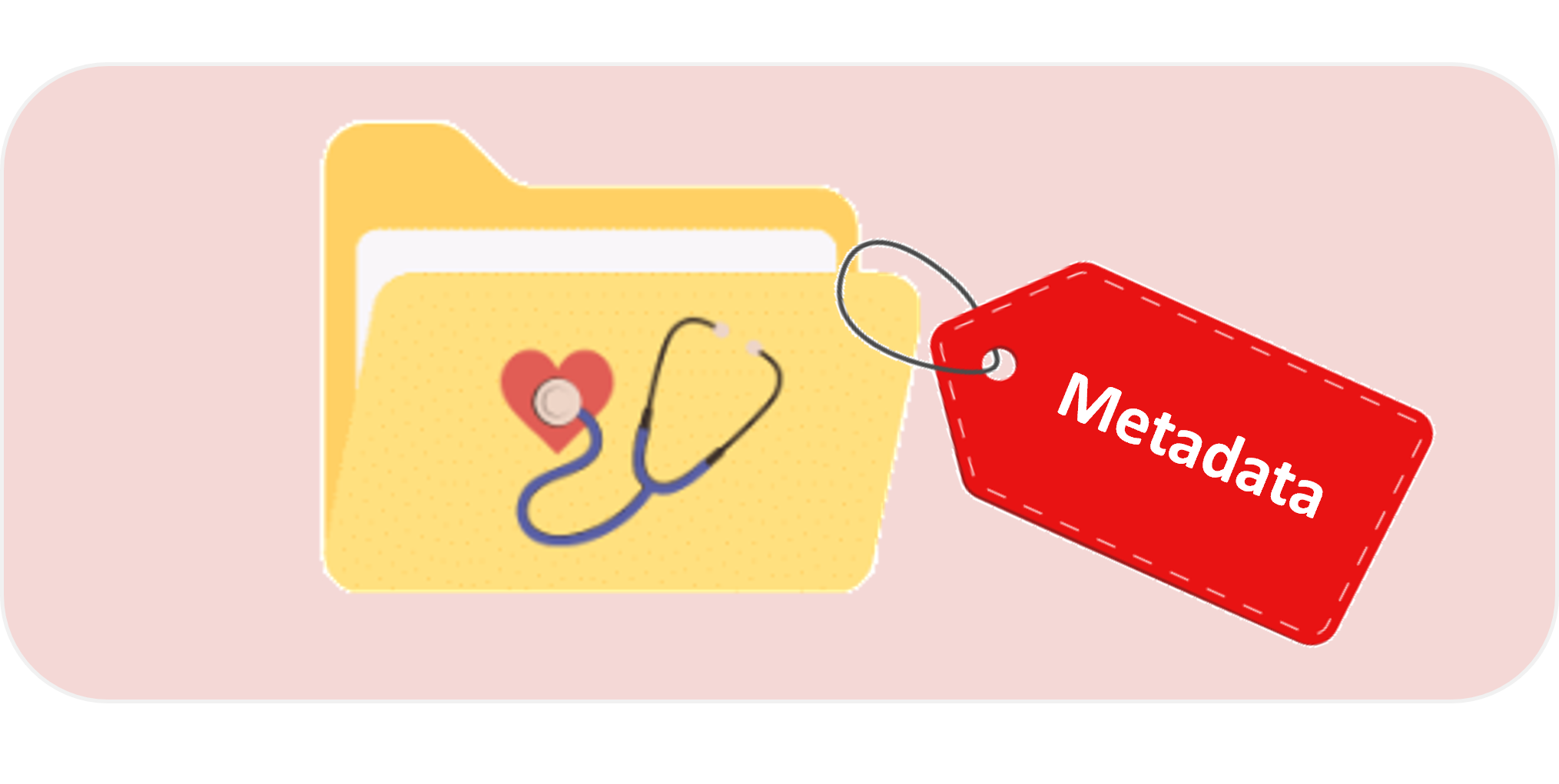
Adding smart metadata with Health DCAT-AP
Every dataset needs context—and that’s where metadata comes in. Metadata is data about the data, it describes the content and properties of a dataset and it tells you what the data means and how you can use it. By assigning metadata using a machine-readable standard like Health DCAT-AP (Data Catalogue Application Profile), datasets are easier to find, understand, and integrate. This ensures clear and unambiguous descriptions for better usability and seamless interoperability across systems.
In short, metadata transforms raw data into meaningful, actionable information.
3. Change 3
National metadata catalog
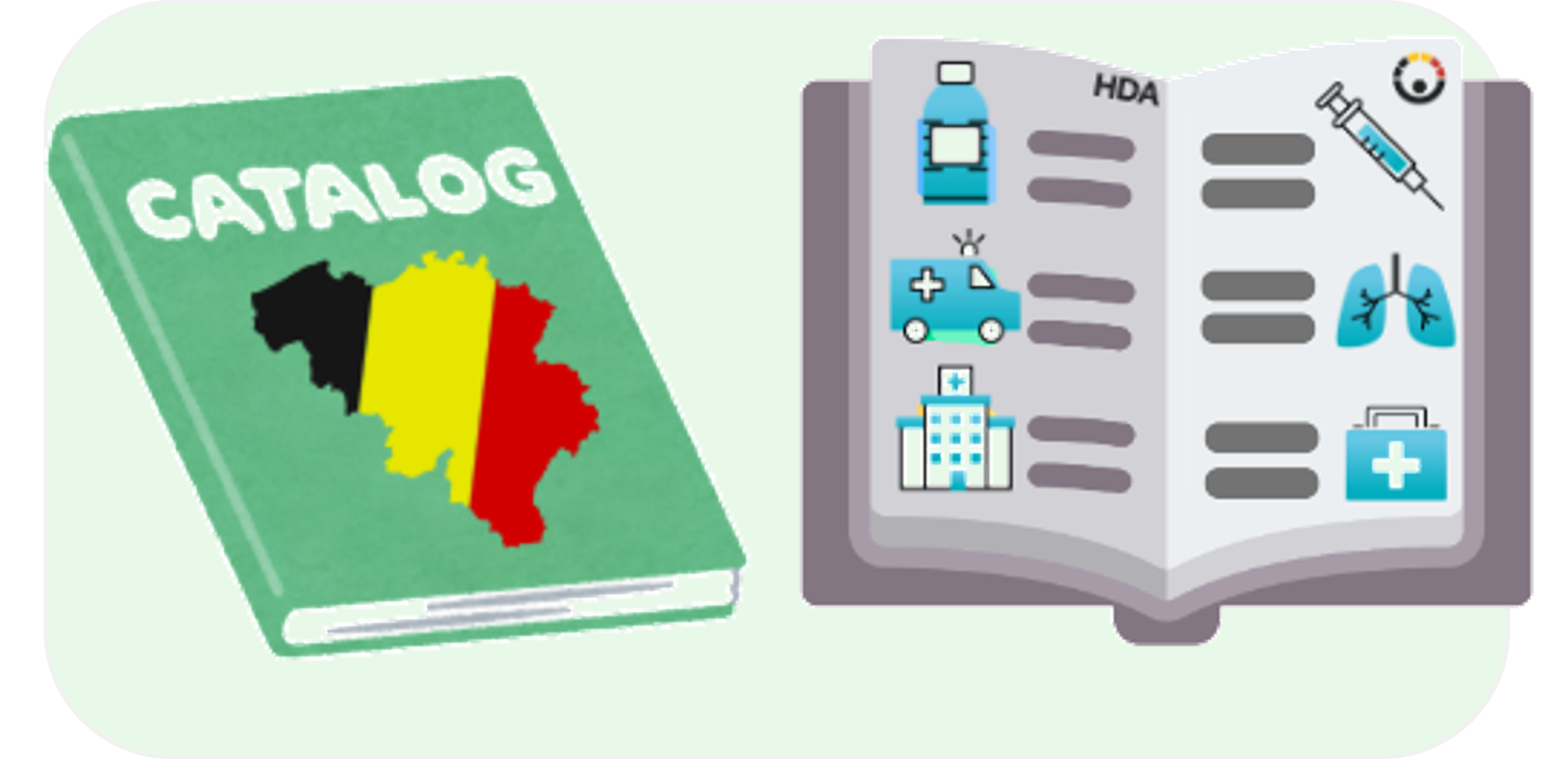
The European Health Data Space (EHDS) sets a clear goal: make health data findable, interoperable and safely reusable across Europe. That starts with high quality, standardized metadata. The HDA’s metadata catalogue provides a national inventory of health and healthcare datasets with machine readable metadata to streamline data discovery and access. It consists of a common data model, business glossary, data dictionary, data modeling and domain views. By adopting the Health DCAT-AP model, the HDA’s metadata catalogue does not only centralize Belgian's available health data, but it ensures every dataset is described consistently and that it can be discovered and understood across national and European systems.
4. Change 4
European connection thanks to HealthData@EU
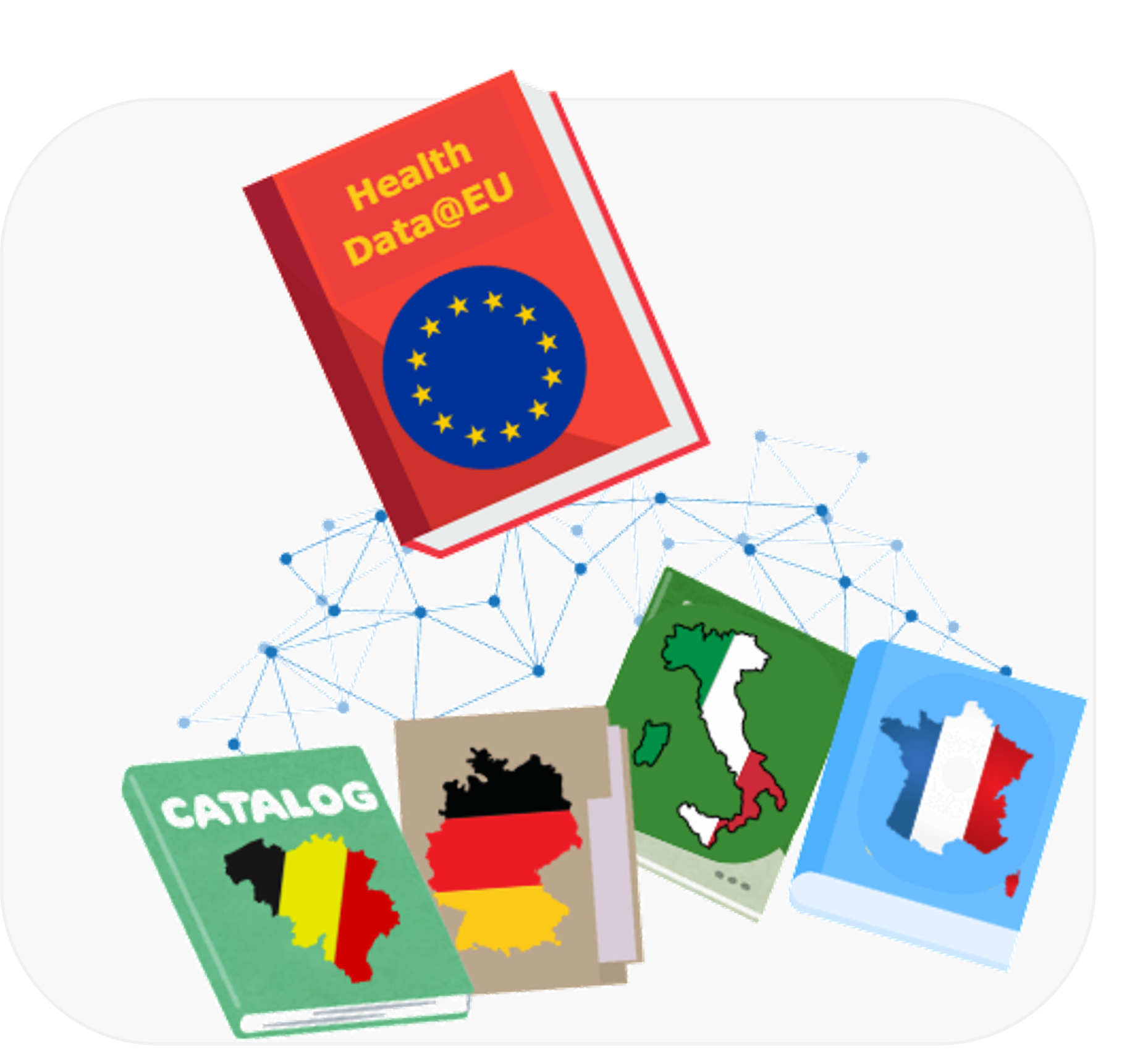
HealthData@EU is the European platform that links health data metadata across all Member States. Each country has a national contact point with its own metadata catalogue. These national catalogues are connected to the European metadata catalogue, creating a seamless network for data discovery and interoperability.
For Belgium, the Health Data Agency (HDA) serves as the national contact point. This means the HDA’s metadata catalogue is directly integrated with HealthData@EU—ensuring Belgian health datasets are visible and accessible within Europe. It is the link to Europe as it connects Belgian data to European catalogues, unlocking a vast amount of national and international health datasets.
HealthData@EU is an European infrastructure that operates as a gateway between national contact points, that securely connects national health data systems, enabling health data to be used securely, in a standardised and controlled manner across national borders. Thanks to this European platform, health meta data from other European member states become available and accessible.
5. Change 5
Obligation to share data
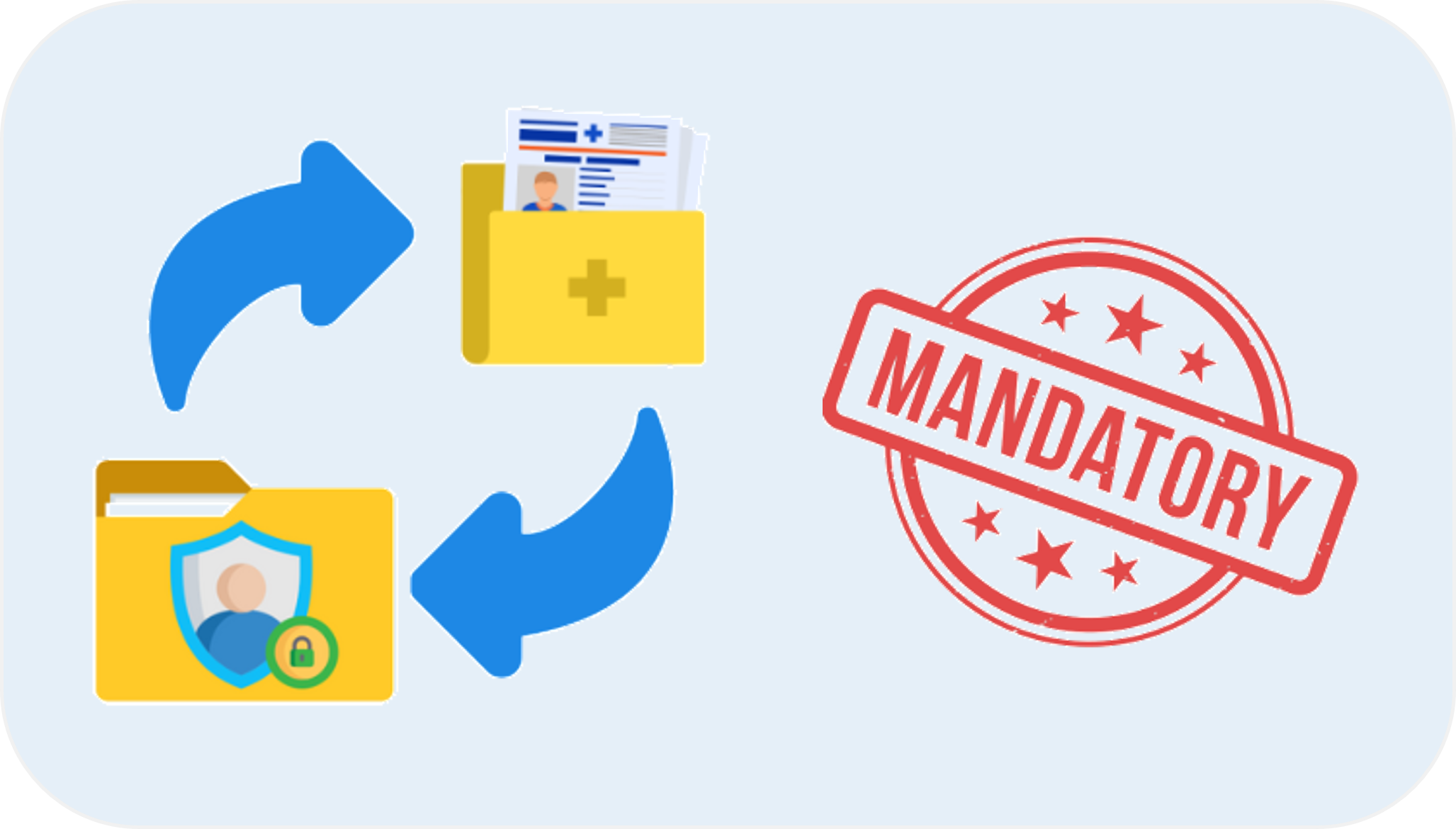
From voluntary to mandatory sharing will be the biggest evolution the EHDS brings for data holders. Today, data holders in Europe are free to decide whether or not to share health data for secondary use. This leads to a fragmented landscape in which access to data often depends on individual choices, contracts, and national rules.
The European Health Data Space (EHDS) fundamentally changes this. The regulation introduces a binding obligation for health data holders to make electronic health data available for secondary use. Once the HDA receives a data request, it checks whether the request complies with the legally and ethically allowed processing purposes. After the request has been approved by the HDA, the data holder cannot refuse and must make the requested electronic health data available within strict deadlines. This obligation ensures a harmonized system that promotes transparency, reuse, research and innovation, public health, and policy-making, while ensuring privacy and security.
6. Overview of the 5 changes
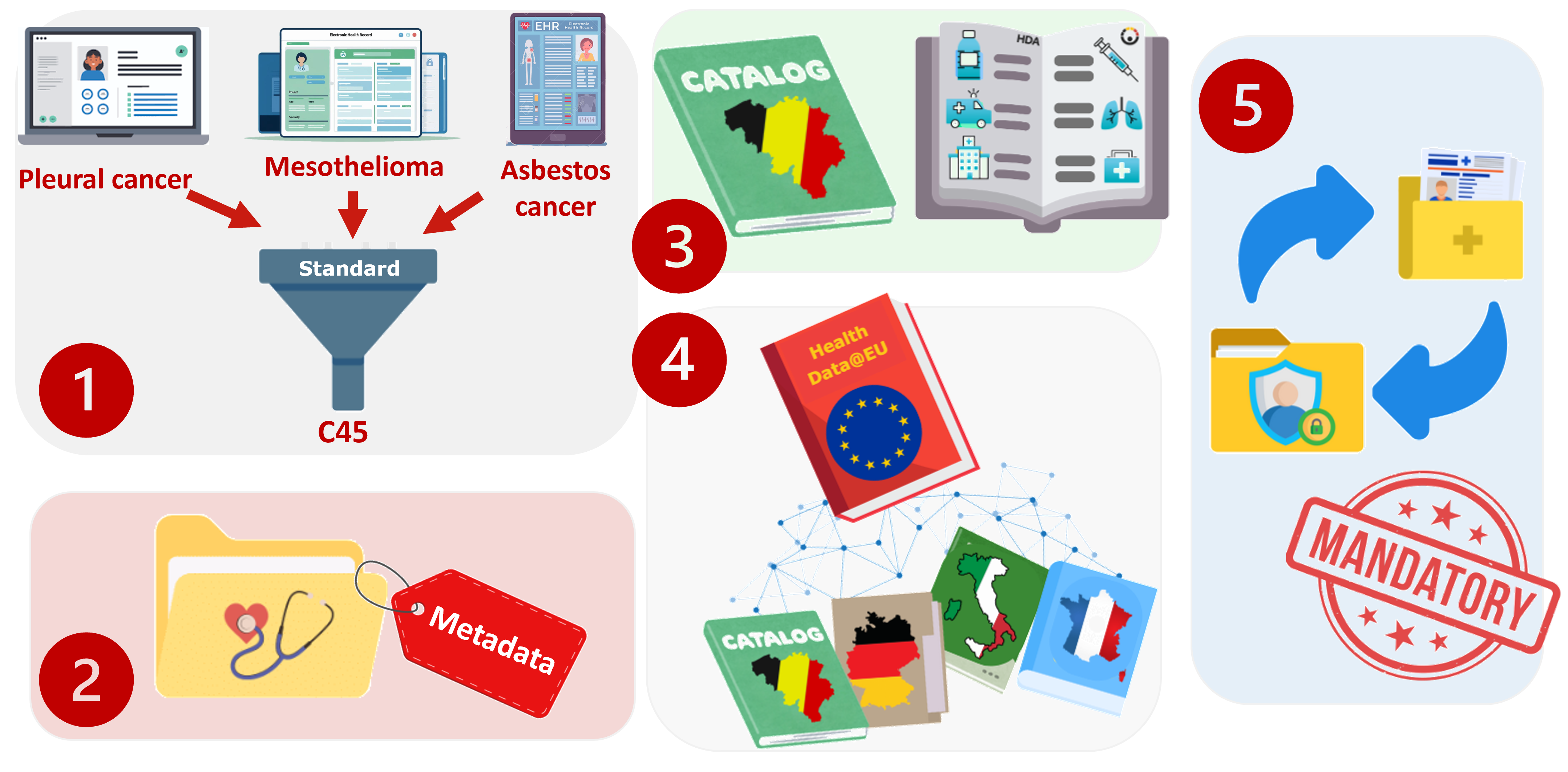
This visual gives you an overview of the 5 major changes the EHDS Regulation will bring.